
Designing a low-stress home environment
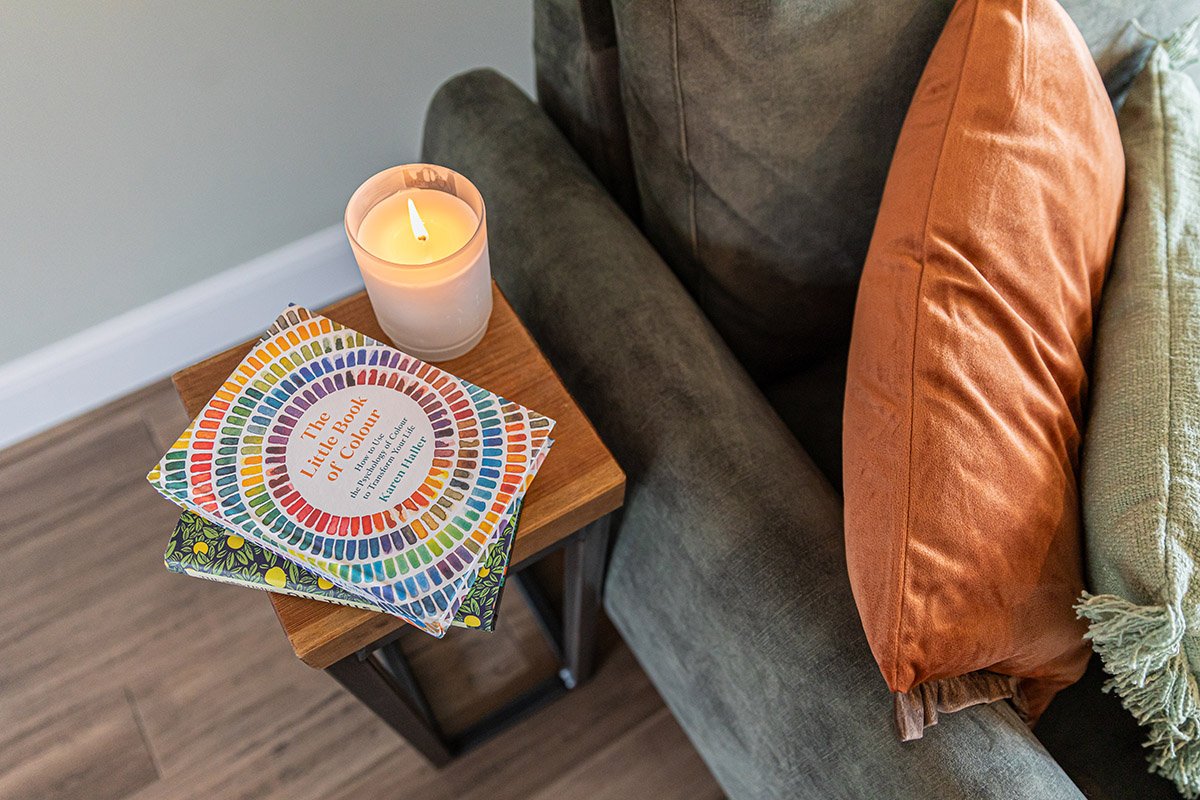
A home should not compete for your attention. It should support daily life quietly, intuitively, and beautifully. For many homeowners, the challenge is not achieving a luxurious look, but creating a space that feels calm, ordered, and effortless to live in.
Ellipsa approaches this through calm luxury principles, where aesthetics and practicality are considered equally. The result is a home that looks refined, but more importantly, feels easy to live in.
Low maintenance
Low-stress living begins with reducing the amount of effort required to maintain the space.
This does not mean compromising on quality. In fact, it often requires better materials and more considered specification.
Surfaces should be chosen for durability and ease of care. Large-format porcelain tiles reduce grout lines and simplify cleaning. Engineered worktops offer consistency and resilience. Washable paints in high-traffic areas ensure longevity without constant touch-ups.
Furniture layouts should allow for easy movement and cleaning access. Awkward gaps, overly intricate detailing, and hard-to-reach zones quickly become sources of frustration.
Technology can also play a role. Integrated appliances, concealed extraction, and smart storage solutions reduce visual and physical noise, making the home feel calmer day to day.
A low-maintenance home is not just easier to clean, it is easier to live in.
Calming colours and patterns
Colour has a direct impact on how a space feels. Calm luxury interiors favour a restrained palette, often built around warm neutrals, soft earth tones, and muted natural hues.
This does not mean a space lacks interest. Instead, variation is introduced through texture, tone, and subtle pattern.
Biophilic design plays an important role here. Patterns inspired by nature, such as soft veining in stone, timber grain, or organic textiles, create visual depth without overwhelming the senses. These references to the natural world help reduce stress and promote a sense of wellbeing.
Layering is key. A tonal scheme might combine linen upholstery, brushed plaster walls, natural wood finishes, and stone surfaces, all within a similar colour family. The result is cohesive, calming, and quietly luxurious.
Reduce visual clutter
Visual noise is one of the biggest contributors to a stressful environment.
One of the most effective ways to reduce this is through the use of smooth silhouette furnishings. Pieces with clean lines, softened edges, and minimal detailing create a sense of visual continuity.
Avoid overly ornate forms, excessive contrast, or busy compositions. Instead, prioritise furniture that feels intentional and balanced.
For example, a curved sofa with a single, high-quality fabric can feel far more luxurious than multiple competing pieces. A streamlined media unit with integrated storage avoids the need for additional furniture.
Consistency across the space is important. Repeating shapes, finishes, and proportions creates rhythm, which the eye reads as calm.
Organise a place for everything
Clutter is not always about having too much, but about not having the right place to store it.
This is where bespoke joinery becomes essential. Thoughtfully designed storage allows everyday items to be easily accessed, but discreetly hidden when not in use.
In kitchens, larders and pantries can house small appliances, dry goods, and bulk storage, keeping worktops clear. In living spaces, media walls can integrate technology, shelving, and concealed cupboards into one cohesive feature.
Playrooms benefit from tailored storage that allows toys to be organised and quickly put away, maintaining flexibility between family use and adult living. Bathrooms can incorporate recessed shelving, mirrored cabinets, and vanity storage to reduce surface clutter.
The key is designing storage around how the space is actually used. When everything has a defined place, tidying becomes effortless, and the home remains calm without constant effort.
Calm but luxurious home
Luxury is often associated with excess, but calm luxury is defined by restraint.
It is about selecting fewer, better pieces. Materials should feel considered and authentic, such as natural stone, solid timber, brushed metals, and high-quality textiles.
Lighting plays a significant role. Layered lighting schemes, including ambient, task, and accent lighting, allow the atmosphere to shift throughout the day. Warm colour temperatures and dimmable controls enhance comfort and softness.
Spacing is equally important. Allowing room around furniture and avoiding overfilling a space creates a sense of ease and importance. Negative space is not empty, it is intentional.
Details should be subtle but precise. Aligned joints, consistent finishes, and well-resolved transitions between materials all contribute to a feeling of quality.
A calm luxury home does not demand attention. It rewards it.
A considered approach to everyday living
Designing a low-stress home environment is not about following trends. It is about understanding how a space should function and feel, then shaping every decision around that.
By combining low-maintenance materials, calming palettes, refined forms, and intelligent storage, it is possible to create a home that supports both wellbeing and daily life.
Calm luxury is not a style. It is a way of living.
