
How to brief an Interior Designer effectively
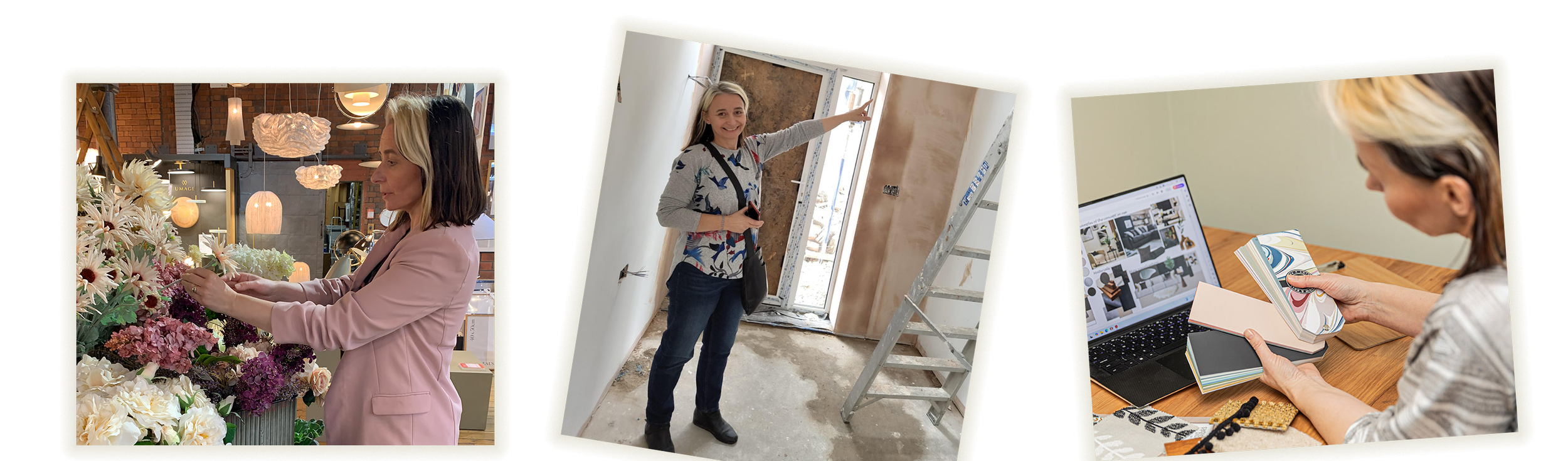
Working with an interior designer should feel exciting, collaborative and ultimately transformative for your home. However, the success of any design project often begins long before moodboards, material samples or furniture layouts are created.
The key to achieving a beautifully considered result is a clear and thoughtful brief.
For homeowners investing in a high-quality interior design service, a well-structured brief helps ensure the designer fully understands your lifestyle, priorities and aspirations. It allows the project to move forward efficiently while giving the designer the insight they need to create a space that truly reflects you.
Below are some of the most important things to consider when briefing an interior designer.
1. Be clear about how you want the space to feel
Many clients initially focus on how they want a room to look, but equally important is how they want it to feel.
For example, do you want your lounge to feel calm and restorative after a busy day? Or would you prefer a space that feels social, lively and suited to entertaining?
Try describing the atmosphere you would like to create. Words such as warm, elegant, relaxed, contemporary, cosy or refined can be very helpful to a designer.
It can also help to share reference images. These do not need to be exact styles you want replicated. Instead, they give insight into what resonates with you visually, in terms of colours, materials, lighting styles or layouts.
Interior designers are trained to interpret these visual cues and translate them into a coherent design tailored to your home.
2. Explain how you actually live in the space
Great interior design is not only about aesthetics; it must support the way you live day-to-day.
When briefing a designer, think about practical considerations such as:
How many people use the room regularly
Whether you entertain guests frequently
Storage requirements for books, hobbies or technology
Lighting needs throughout the day and evening
Any frustrations with the current layout
For example, a living room used for family movie nights will require a different layout and lighting approach compared with a formal entertaining space.
The more insight a designer has into your routines, the better they can design a space that functions beautifully as well as looking exceptional.
3. Be honest about budget and timescale
One of the most helpful things you can do when briefing an interior designer is to be open about the project budget.
Many homeowners feel hesitant discussing budgets early in the process, but transparency actually helps the designer deliver the best possible outcome. It allows them to specify materials, furniture and finishes that align with your expectations from the outset.
Similarly, if the project needs to be completed before a specific event or life milestone, such as moving in, hosting guests or selling the property, it is helpful to communicate this early.
Clear parameters enable the designer to plan effectively and avoid unnecessary redesign later in the process.
4. Share what you already love (and what you don’t)
An effective brief should include information about items you already own or intend to keep.
This might include:
Artwork or sculptures
Antique furniture or heirlooms
Rugs, lighting or decorative pieces
Architectural features you want to highlight
Designers can incorporate existing items into a scheme in a way that elevates the entire space.
Equally important is identifying what you dislike. If there are colours, materials or styles you strongly want to avoid, sharing this early can prevent misunderstandings later in the project.
A designer’s role is not to impose a signature style, but to create a design that feels authentic to the client and the property.
5. Trust the design process
Once the brief has been established, it is important to allow the design process to unfold.
Interior design involves a careful balance of creativity, technical planning and practical implementation. Designers often explore multiple layout options, materials and lighting strategies before presenting a refined concept.
Trusting the process allows the designer to bring forward ideas that clients may not have initially considered, often resulting in a more interesting and cohesive outcome.
Many of the most successful interior projects evolve through collaboration between client and designer rather than rigidly following an initial idea.
Working with Ellipsa Bespoke Interiors
At Ellipsa Bespoke Interiors, every project begins with understanding the client and the home in depth. We work with homeowners across the West Yorkshire region, helping them transform their spaces into timeless, beautifully considered interiors.
The first step is a relaxed introductory consultation where we discuss your home, your lifestyle and your ambitions for the space. From there we develop a tailored design brief that guides the entire project: from concept design through to materials, furniture and installation.
If you are considering redesigning part of your home and would like professional guidance, we would be delighted to hear from you. Simply get in touch to arrange an initial conversation and begin exploring what your space could become.
Or
