
A complete guide to kitchen worktops
Choosing a kitchen worktop is one of the most important decisions in any kitchen design. It influences not just the aesthetic, but durability, maintenance, and long term value.
Ellipsa approaches this decision through three lenses: material performance, visual longevity, and sustainability.
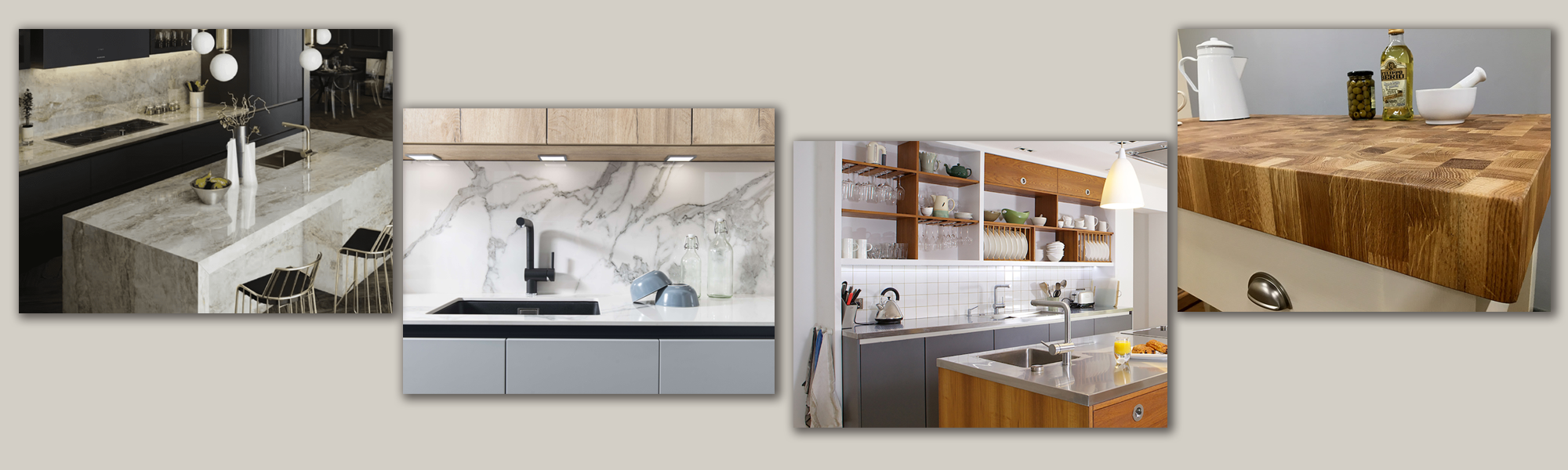
Laminate worktops for a cost effective and versatile option
Benefits
Most affordable option
Huge range of colours and finishes
Easy to install and replace
Low maintenance
Negatives
Lower durability, prone to chipping and swelling
Visible joins reduce premium feel
Limited heat resistance
Sustainability
Often made with MDF or particleboard cores
Shorter lifespan means more frequent replacement
Some newer ranges include recycled content
Typical price
£100 to £300 per linear metre (entry level ranges from around £129 for a 3m length)
“Best suited for short term refurbishments, HMOs, or budget conscious projects where visual impact is required without long term investment.”
Compact laminate worktops, slim, durable and highly practical
Benefits
Ultra slim profile, often 12mm to 20mm, for a sharp contemporary look
Highly water resistant, ideal for sink areas and drainer grooves
Durable surface with good resistance to impact and wear
Can be installed with under mounted sinks for a seamless appearance
More robust than standard laminate
Negatives
Limited ability to repair if chipped or damaged
Edges can be vulnerable if not installed correctly
Less depth and visual weight compared to stone
Premium ranges can approach quartz pricing
Sustainability
Manufactured using layers of paper fibres and resin under high pressure
Long lifespan compared to standard laminate reduces replacement frequency
Not easily recyclable due to composite structure
Some manufacturers offer FSC-certified core materials
Typical price
£200 to £500 per linear metre (depending on brand, thickness and finish)
“A strong choice for modern kitchens where a slim, architectural finish is desired without the cost of stone.”
Solid wood worktops for warmth and natural character
Benefits
Warm, tactile, natural aesthetic
Can be sanded and restored
Ages beautifully with correct care
Negatives
Requires regular oiling
Susceptible to staining and water damage
Can warp in poorly ventilated spaces
Sustainability
Renewable material if FSC certified
Long lifespan if maintained
Lower embodied energy than stone
Typical price
£150 to £400 per linear metre (varies by species and thickness)
“Ideal for layered, characterful kitchens. Often combined with stone on high use areas such as islands.”
Quartz worktops, consistent and low maintenance
Benefits
Non porous, highly stain resistant
Consistent colour and pattern
Minimal maintenance required
Negatives
Less heat resistant than natural stone
Can appear less authentic than real stone
Not repairable if damaged
Sustainability
Engineered using natural quartz and resins
Longer lifespan than laminate or wood
Resin content reduces recyclability
Typical price
£250 to £600 per linear metre
“A strong mid to high end choice for homeowners wanting durability without ongoing maintenance.”
Granite worktops for natural durability and uniqueness
Benefits
Extremely durable and heat resistant
Unique natural patterns
Adds perceived property value
Negatives
Requires sealing over time
Higher cost than engineered options
Natural variation can be unpredictable
Sustainability
Natural material with long lifespan
Quarrying has environmental impact
Very durable, rarely needs replacement
Typical price
£200 to £700 per linear metre
“Best suited to high end homes where individuality and natural materiality are priorities.”
Marble worktops, refined but high maintenance
Benefits
Timeless, high end aesthetic
Unique veining and depth
Elevates premium interiors
Negatives
Porous, stains easily
Scratches and etches over time
Requires careful maintenance
Sustainability
Natural material
Long lifespan, but often replaced due to wear
Quarrying impact similar to granite
Typical price
£300 to £800+ per linear metre (for premium stone)
“Used selectively in statement areas rather than full kitchens, often paired with more durable materials.”
Porcelain, ceramic and Dekton, the ultra durable modern surfaces
Benefits
Extremely heat, scratch, and UV resistant
Ultra thin, contemporary aesthetic
Suitable for indoor and outdoor use
Negatives
Higher upfront cost
Can chip on edges if poorly installed
Requires specialist fabrication
Sustainability
Manufactured using natural minerals
Long lifespan reduces replacement cycles
Energy intensive production
Typical price
£400 to £700+ per linear metre (Dekton is often premium)
“A leading choice for high end contemporary homes, particularly for seamless indoor outdoor kitchen design.”
Stainless steel, the professional and industrial choice
Benefits
Hygienic and food safe
Heat and water resistant
Used in professional kitchens
Negatives
Scratches easily
Can feel cold or clinical
Shows fingerprints
Sustainability
Fully recyclable
Extremely long lifespan
Typical price
£300 to £600 per linear metre (custom fabrication dependent)
“Often used in targeted zones rather than full kitchens, ideal for serious cooks.”
