
Interior design updates that make the biggest visual impact
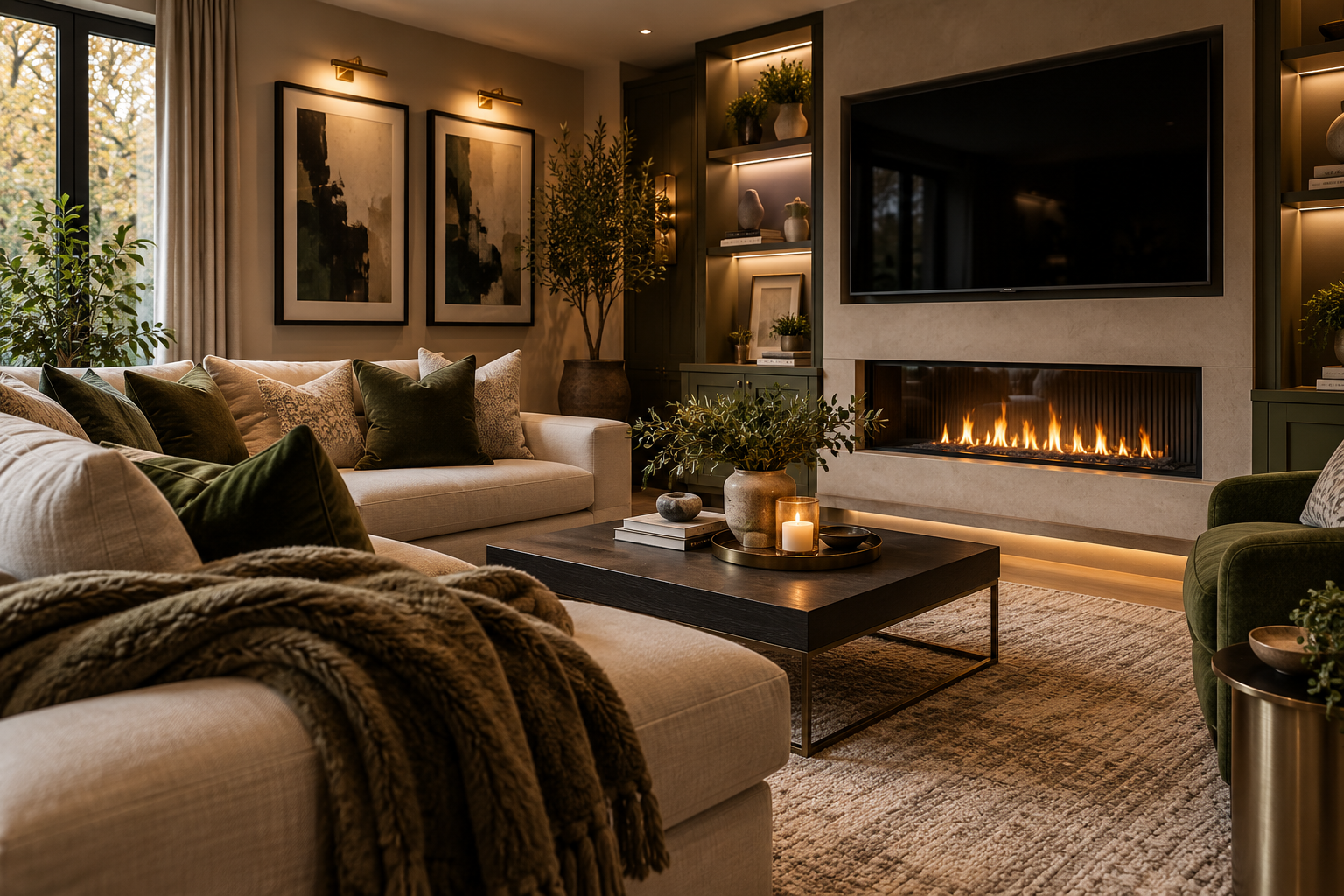
Updating your home doesn’t always mean embarking on a full renovation. Some of the most effective interior transformations come from carefully considered changes to colour, lighting, texture, furniture and styling.
The key is knowing where to invest. Rather than changing everything at once, focusing on the elements that have the greatest visual presence can completely alter how a room looks and feels.
As we move into autumn and winter, our homes naturally become more important to us. Longer evenings, cooler temperatures and more time spent indoors make this the perfect opportunity to introduce warmth, comfort and character — while creating an interior that will continue to work beautifully throughout the year.
Start with the areas that command attention
Before deciding what to change, look at the room as a whole. Which elements do you notice first?
Large surfaces and strong focal points tend to have the greatest influence on how we perceive a space. Walls, flooring, curtains, rugs, lighting and larger pieces of furniture therefore offer some of the best opportunities to make a noticeable difference.
This doesn't necessarily mean replacing them all. A new wall colour, different curtains or a larger rug can sometimes have more impact than buying several smaller accessories.
Think about visual balance too. If a room feels unfinished, the answer may not be more decoration. It could simply need a stronger focal point, better lighting or greater variation in texture.
Transform the room with colour
Colour is one of the quickest ways to change the atmosphere of an interior. Repainting an entire room will naturally create a significant transformation, but smaller areas can be equally effective. Built-in cabinetry, alcoves, a fireplace wall or even the ceiling can introduce a new dimension without completely redecorating.
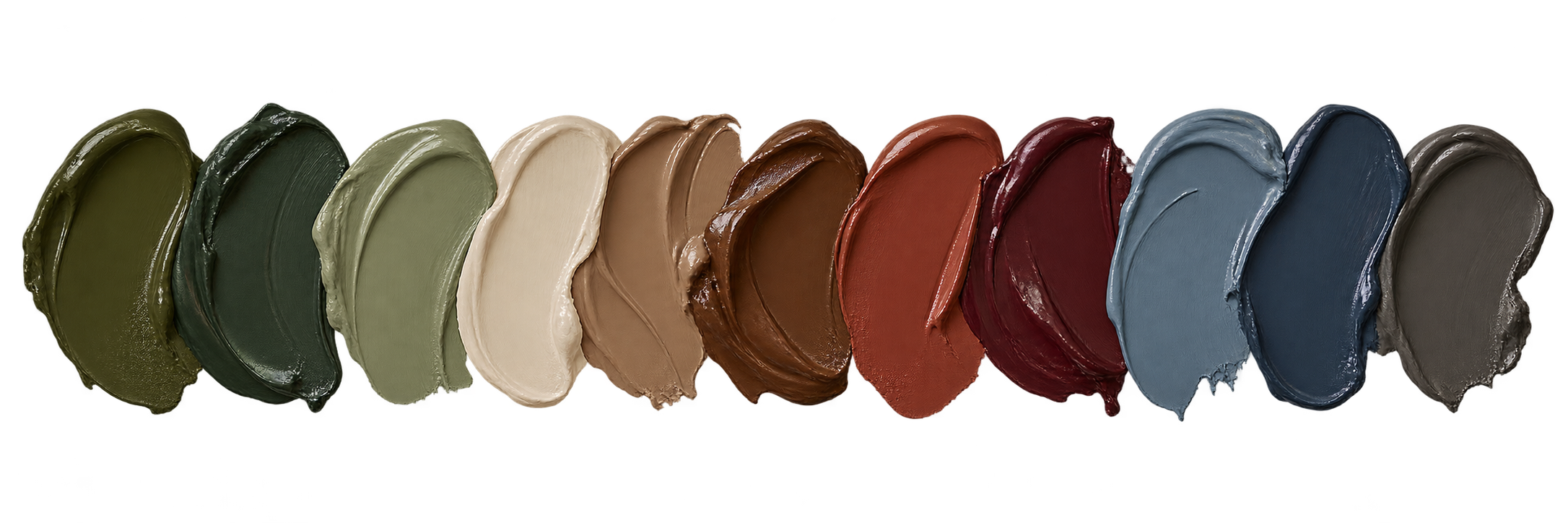
Autumn and winter lend themselves beautifully to richer, more enveloping shades. Olive and forest greens, earthy reds, warm browns, muted blues and deeper neutrals can introduce depth while still creating an interior that feels sophisticated rather than overtly seasonal.
If you prefer lighter interiors, warmth can instead come from softer neutrals with beige, taupe, clay or mushroom undertones rather than cooler greys and brilliant whites.
The aim isn't to make your home look 'autumnal'. Instead, take inspiration from the season to develop a palette that feels warm and welcoming all year round.
Use lighting to completely change the atmosphere
Lighting is frequently underestimated when updating a home, yet it can have an enormous effect on both appearance and atmosphere.
A room relying primarily on ceiling downlights can feel quite different when layers of lighting are introduced. Table lamps, floor lamps, wall lights, ceiling pendants and concealed LED lighting allow you to create different moods throughout the day.
This becomes particularly noticeable during autumn and winter when artificial lighting is used much earlier in the day.
Consider replacing a standard ceiling light with a statement pendant, adding lamps to darker corners or incorporating lighting within shelving and cabinetry. Illuminating artwork, textured walls or architectural details can also draw attention to features that might otherwise disappear after dark.
Where possible, put different lighting sources onto separate controls or dimmers. This allows bright functional lighting when needed and a softer, more relaxing atmosphere during the evening.
Introduce texture through fabrics
One of the easiest ways to make a room feel more luxurious is to introduce layers of contrasting texture. During autumn and winter, fabrics naturally become heavier and more tactile. Velvet, wool, bouclé, brushed cotton, linen blends and textured weaves can all introduce warmth without requiring major changes to the room.
Curtains can make an especially significant difference. Full-length layered curtains create softness, frame windows and can visually increase their height when positioned correctly. A substantial rug can similarly anchor a seating arrangement and make furniture feel more connected.
Cushions and throws are useful finishing touches, but try not to rely solely on accessories. For greater impact, think about texture at different scales. Curtains, rugs, upholstery, wallcoverings and cushions working together rather than competing with one another.
Create one strong focal point
If a room feels as though something is missing, it may simply lack a clear focal point. This could be an existing fireplace, a piece of artwork, bespoke cabinetry, an oversized ceiling pendant, a beautifully upholstered headboard or a feature wall.
Rather than adding numerous smaller decorative pieces, investing in one carefully considered feature can often make the room feel much more resolved.
Bespoke joinery is particularly effective because it can combine visual impact with practical storage. Media walls, fitted shelving, window seating and alcove units can transform awkward or underused areas while making the room feel deliberately designed.
Don't underestimate your window treatments
Changing curtains or blinds can have a surprisingly dramatic effect. Window treatments occupy a large vertical area, so their colour, pattern and texture naturally influence the rest of the room. Replacing short or lightweight curtains with properly proportioned full-length curtains can instantly make an interior feel more considered.
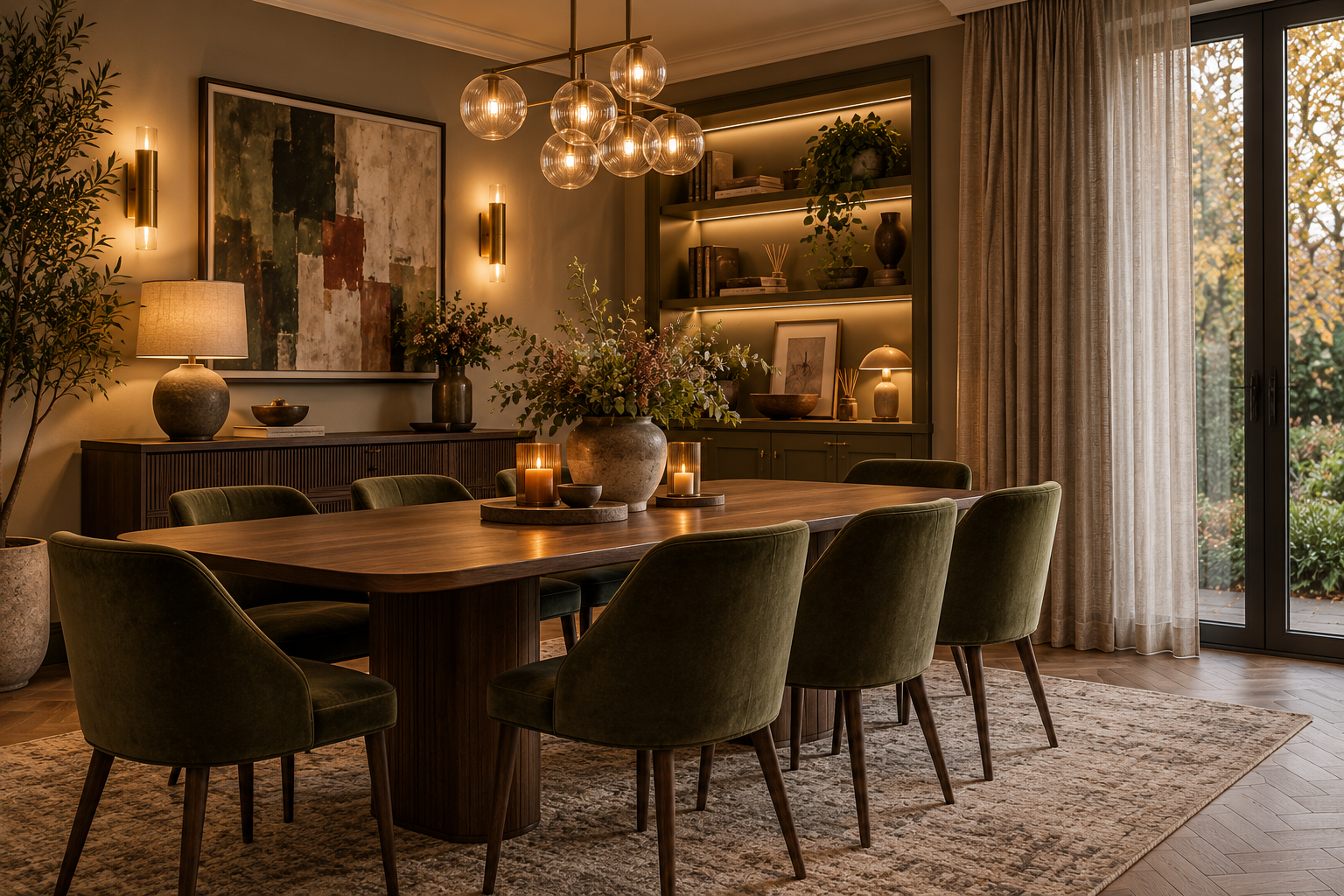
For autumn and winter, thermally lined curtains can also provide a greater sense of cosiness while helping reduce draughts around windows.
Layering can work particularly well. Combining roman blinds with curtains, for example, offers practical control over daylight and privacy while creating a softer, more luxurious appearance.
Reconsider furniture placement before buying anything new
Sometimes the most effective update costs nothing at all.
Furniture arrangements often evolve gradually, particularly in homes that have been lived in for several years. Reconsidering the layout can reveal opportunities to improve circulation, make better use of natural light or create a stronger relationship between different pieces.
Try looking at the room as though you were seeing it for the first time. Is the furniture appropriately scaled? Does everything sit around the edges? Is the rug large enough to connect the seating? Is there a clear focal point?
A different layout may make the room feel significantly larger and more balanced without replacing a single item.
Autumn interior updates
Autumn is an ideal transitional season for introducing additional warmth without making your home feel dramatically different.
Start by adjusting texture and lighting. Bring lamps back into regular use, introduce warmer-toned bulbs where appropriate and layer sofas and beds with richer fabrics.
Consider introducing:
Heavier curtains or additional window layers
Wool or textured rugs
Velvet, wool and woven cushions
Richer accent colours
Warm timber finishes
Table and floor lamps
Seasonal natural foliage and natural branches
Artwork and accessories
This is also a good time to review rooms that will be used frequently over Christmas and winter. Dining rooms, living rooms and guest bedrooms can be updated early, avoiding a last-minute rush later in the year.
Winter interior updates
By winter, comfort and lighting become even more important.
Rather than filling rooms with seasonal decoration, concentrate first on creating a strong underlying interior. Layered lighting, substantial textiles and comfortable seating will continue to work long after Christmas decorations have been packed away.
Bedrooms can particularly benefit from winter updates. An upholstered headboard, layered bedding, bedside lighting and full-length curtains can transform a relatively simple bedroom into a much more luxurious retreat.
In living spaces, consider whether unused corners could accommodate an occasional chair and floor lamp to create a reading area. Larger rugs can make open-plan rooms feel more intimate, while artwork and mirrors can add interest to expanses of blank wall.
Winter is also an excellent time to start planning larger projects for the following spring. If you're considering a new kitchen, fitted cabinetry or a full room redesign, beginning the design process during winter gives you time to make considered decisions rather than rushing once you're ready for work to begin.
How should your home change throughout the year?
Seasonal interior design doesn't have to mean redecorating four times a year. Instead, think of your home's core interior as a foundation, with smaller layers changing according to the season.
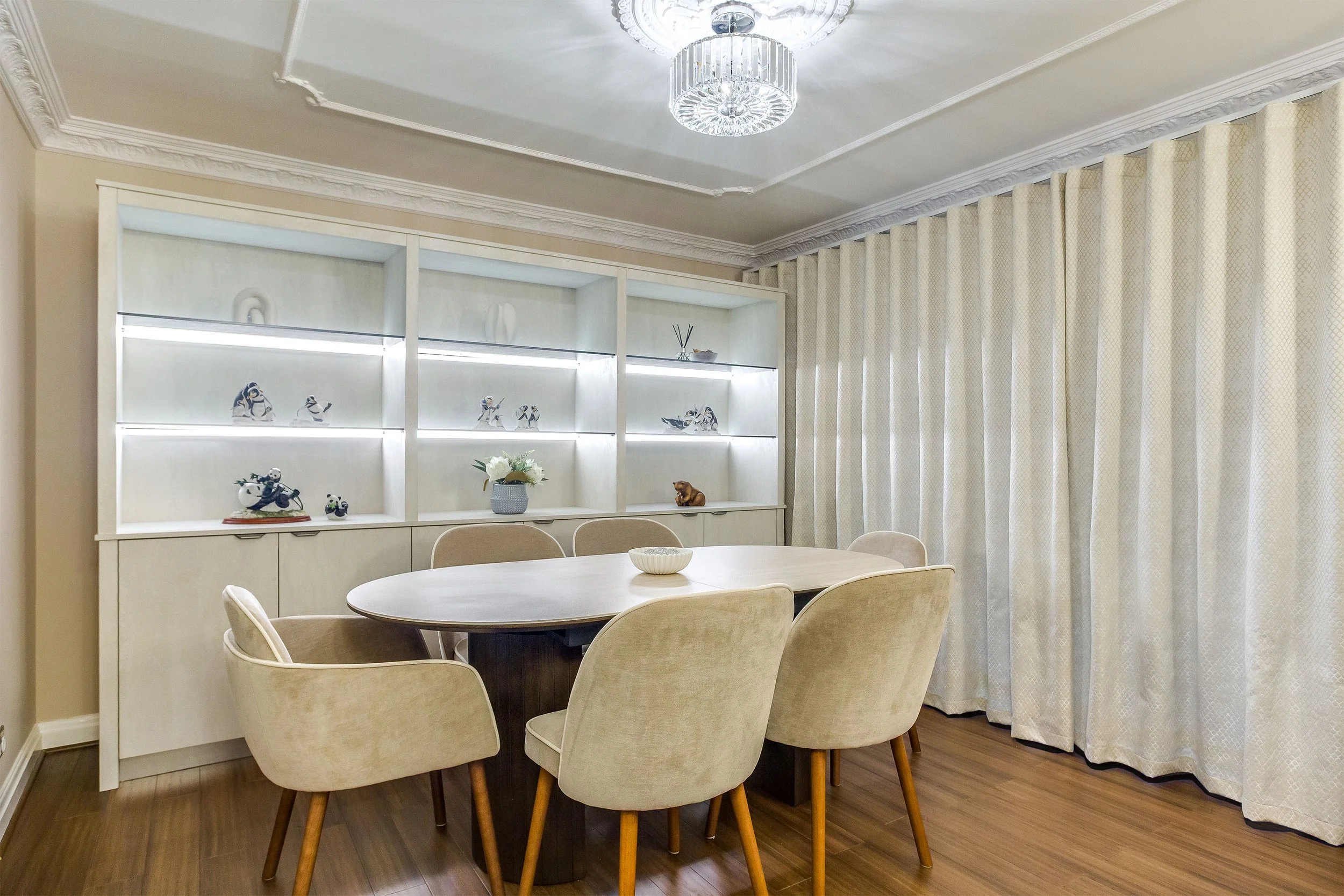
Spring might involve decluttering, introducing lighter textiles and fresh colours, and making the most of increasing natural light.
Summer is suited to lighter fabrics, relaxed styling and creating a stronger connection between indoor and outdoor living spaces.
Autumn introduces additional texture, warmer colours and layered lighting.
Winter focuses on comfort, warmth and atmosphere, with richer fabrics and carefully positioned pools of light.
Choosing a timeless base means these seasonal changes can be relatively simple. A well-designed room shouldn't need to be reinvented every few months.
Invest where you'll notice the difference
When deciding how to spend your interior budget, consider both visual impact and longevity.
Five inexpensive purchases aren't necessarily better than one carefully chosen investment. A beautiful rug, statement light fitting, bespoke piece of joinery or professionally made curtains could remain part of your home for many years.
The same principle applies to furniture. Instead of automatically replacing something because a room needs updating, consider whether an existing piece could be re-upholstered, refinished or moved elsewhere.
This approach can result in a more individual interior while reducing unnecessary waste.
Creating a home that evolves with you
The most successful homes aren't dictated by short-lived trends. They evolve gradually, combining existing pieces with thoughtful new additions.
Autumn and winter provide a natural opportunity to reassess how your rooms feel as well as how they look. When daylight decreases and more time is spent at home, shortcomings in lighting, layout and comfort become much easier to notice.
By concentrating on high-impact elements such as colour, lighting, window treatments, textiles, furniture placement and focal points; it's possible to make a substantial difference without redesigning your entire home.
At Ellipsa, we create considered residential interiors designed around the people who live in them. Whether you're looking for guidance on refreshing an existing room or planning a more substantial redesign, thoughtful design decisions can help you invest in the areas that will make the greatest difference to your home. Get in touch with Ellie to arrange a discussion about redesigning your home.
