
What adds real value when designing a luxury investment apartment
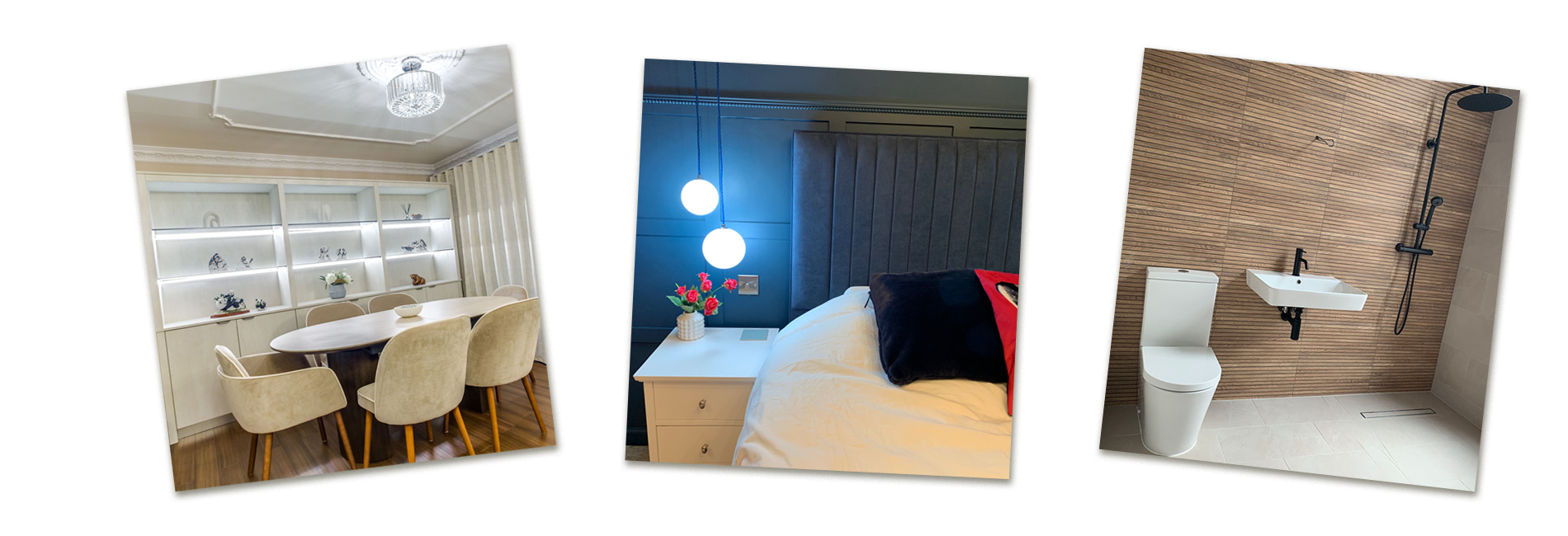
In the West Yorkshire property market, a well finished apartment is no longer enough to achieve premium returns.
Buyers and tenants at the upper end expect more than visual appeal. They expect a space that feels considered, consistent, and built for modern living.
Ellipsa approaches interior design as a commercial tool, not a decorative layer. Every decision is made to influence perception, increase desirability, and strengthen long term value.
This article explores the design strategies that genuinely elevate an investment apartment and position it within the premium market.
Designing for the end user, not personal taste
The most successful investment apartments are shaped around the needs of the target market rather than the preferences of the developer.
Across West Yorkshire, this often includes:
Young professionals working in Leeds city centre
Downsizers seeking low maintenance, high quality living
High income tenants prioritising convenience and finish
Layouts should feel intuitive and flexible, with integrated storage and space for hybrid working. Every square metre should feel purposeful.
KEY POINT: Design decisions grounded in user behaviour lead to stronger demand, faster occupancy, and improved long term returns.
Layered lighting schemes that elevate perception
Lighting is one of the most influential yet underutilised elements in residential development.
A single ceiling fitting immediately signals a standard level of specification. In contrast, layered lighting introduces depth, flexibility, and atmosphere.
A considered scheme includes:
Ambient lighting to define the overall tone
Task lighting for function and usability
Accent lighting to highlight architectural and joinery features
Warm colour temperatures and dimmable controls create a more comfortable and adaptable environment.
KEY POINT: Well designed lighting transforms how a space is experienced, photographed, and valued.
Timeless colour palettes with warmth and longevity
Trend driven interiors often date quickly and reduce long term appeal.
A more effective approach is to use timeless, warm palettes that maintain relevance across multiple occupancies.
Effective combinations include:
Soft off whites and warm neutrals
Muted greens, taupes, and clay tones
Deeper accents introduced with restraint
Consistency is key. Colour should flow throughout the apartment to create a calm and cohesive atmosphere.
KEY POINT: A timeless palette protects the investment by reducing the need for frequent updates while maintaining broad appeal.
Texture and material layering over visual noise
High end interiors rarely rely on bold pattern. Instead, they create interest through texture, materiality, and subtle contrast.
This can be achieved through:
Natural timber grains such as oak or walnut
Stone and marble effect surfaces
Brushed metal finishes in brass or bronze
Upholstery with depth and variation
The aim is to create richness without distraction. Spaces should feel composed and refined rather than visually busy.
KEY POINT: This approach enhances perceived quality and ensures the interior design remains appealing over time.
Kitchens and bathrooms are the core value drivers
Kitchens and bathrooms carry the greatest influence over buyer perception and decision making.
In kitchens, value is created through:
Clean, refined cabinetry styles
Durable work surfaces such as quartz or compact laminate
Integrated appliances for a seamless finish
Full height splashbacks where possible
In bathrooms, value is defined by:
Large format tiles for visual clarity
Wall hung vanity units to enhance space
Concealed cisterns and minimal detailing
Consistent, warm metallic finishes
These spaces should feel cohesive, durable, and quietly premium.
Built in joinery that maximises space and function
In high end apartments, freestanding furniture alone rarely delivers the level of refinement expected.
Integrated joinery allows for:
Seamless storage solutions
Defined focal points such as media walls
Discreet work from home areas
Examples include full height wardrobes, window seating with hidden storage, and minimal media units with concealed cabling.
KEY POINT: Well designed joinery increases usability while enhancing perceived value per square metre.
Consistency across the entire apartment
One of the clearest distinctions between standard and premium developments is consistency.
Materials, finishes, and detailing should feel aligned from the entrance through to the private spaces.
This includes:
Repeating tones and textures
Aligning metal finishes across fittings
Maintaining a clear and cohesive design language
Nothing should feel incidental. Every element should contribute to a unified outcome.
KEY POINT: Consistency creates a sense of calm and reinforces the perception of quality.
Designing for longevity and operational performance
A high end investment apartment must perform over time as well as it presents on day one.
Material selection should prioritise durability, ease of maintenance, and graceful ageing.
Considerations include:
Robust flooring and surface finishes
Replaceable lighting components
Materials that improve or soften with use
KEY POINT: This approach reduces ongoing maintenance costs and supports long term value retention.
Integrated audio and pre wiring, invisible luxury that adds value
Integrated audio is often overlooked, yet it plays a significant role in how a space is experienced.
Planning for audio and technology at an early stage allows for seamless integration without visual disruption.
Key considerations include:
Pre wiring for ceiling or wall mounted speakers
Speaker placement aligned with lighting layouts
Centralised connection points within joinery or media areas
Routes for future upgrades
These features create an enhanced living experience while remaining visually discreet.
KEY POINT: When incorporated at first fix stage, the cost is relatively low, yet the perceived value is significant.
Smart home integration for modern expectations
Smart home functionality has become an expected part of high end living.
The focus should not be on complexity, but on intuitive systems that support daily life.
Core elements include:
Scene based lighting control
Zoned heating systems
Integrated audio control
Secure access and entry systems
Optional features such as motorised window treatments can further elevate the specification.
The most effective systems are simple, reliable, and easy to use, with manual overrides always in place.
KEY POINT: When integrated correctly, technology enhances comfort, efficiency, and overall desirability.
Final thoughts… design as a commercial strategy
Interior design plays a critical role in how an apartment is perceived, marketed, and valued.
A well designed investment apartment:
Attracts higher quality tenants and buyers
Reduces time on market
Commands stronger rental and resale values
Strengthens the overall brand of a development
KEY POINT: In a design-aware market, considered interior design is no longer optional. They are a defining factor in commercial success.
Working with Ellipsa
Ellipsa collaborates with property developers and investors across West Yorkshire to create design led interiors that perform commercially as well as visually.
Each project is approached with a focus on:
Market alignment
Timeless design principles
Detail driven execution
For developments seeking to achieve a premium position, interior design should be considered from the outset.
Ellipsa ensures that every detail contributes to a result that feels refined, coherent, and built to last.
